Qdenga real-world effectiveness and safety: new data
How the TAK-003 dengue vaccine is performing outside trials — and where it fits for travelers.
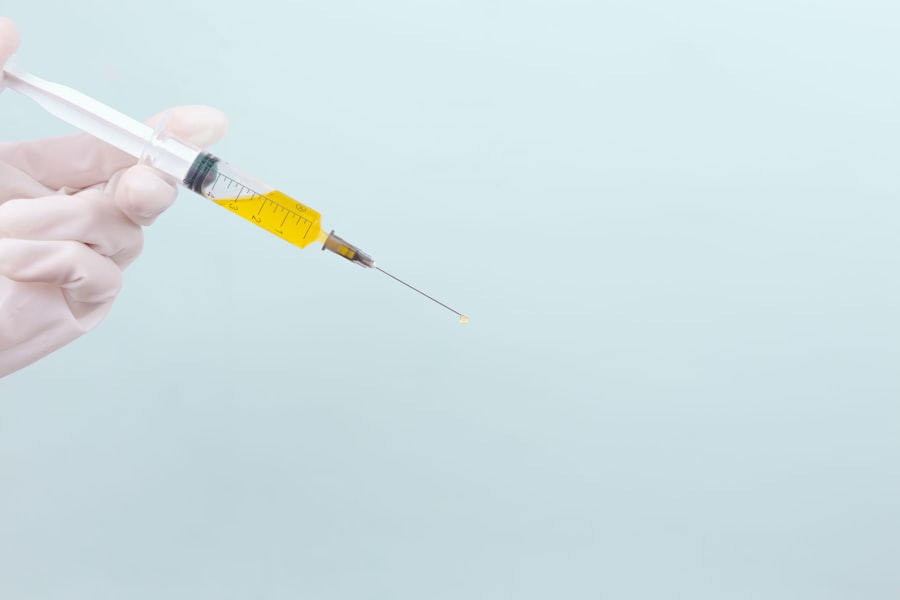
Qdenga (TAK-003) is a live-attenuated, tetravalent dengue vaccine. Its key advantage over the earlier Dengvaxia is that it does not require proof of prior dengue infection before vaccination, which removes the main barrier that limited Dengvaxia's use.
What the pivotal trial showed
In the phase 3 TIDES trial, overall vaccine efficacy against symptomatic dengue was approximately 80% at 12 months, declining to around 61% over longer follow-up, with efficacy against hospitalization holding up better (roughly 84%). Protection was strongest against serotypes DENV-1 and DENV-2.
The serostatus caveat
Efficacy and the safety signal vary by prior exposure and serotype:
- In seropositive people (prior dengue), protection is robust across serotypes.
- In seronegative people, protection against DENV-1/2 is good, but data for DENV-3 and DENV-4 are limited, and a theoretical risk of enhanced disease cannot be fully excluded for those serotypes.
Where it fits for travelers
- WHO SAGE recommends Qdenga primarily in high-burden endemic settings, especially for children aged 6–16.
- For travelers, current European/Swiss guidance is more restrictive: vaccination is mainly considered for those with documented prior dengue heading to high-transmission areas, or for longer-term/repeat travelers after individual risk assessment.
- It is a two-dose schedule three months apart, so it requires planning well ahead of travel.
Bottom line: Qdenga is a real step forward and a genuine option for selected travelers — but it is not yet a blanket recommendation, and bite prevention remains first-line for most.