Why dengue is expanding beyond the tropics
Autochthonous dengue in southern Europe is no longer a curiosity. What's driving the spread, and what it means for trip planning.
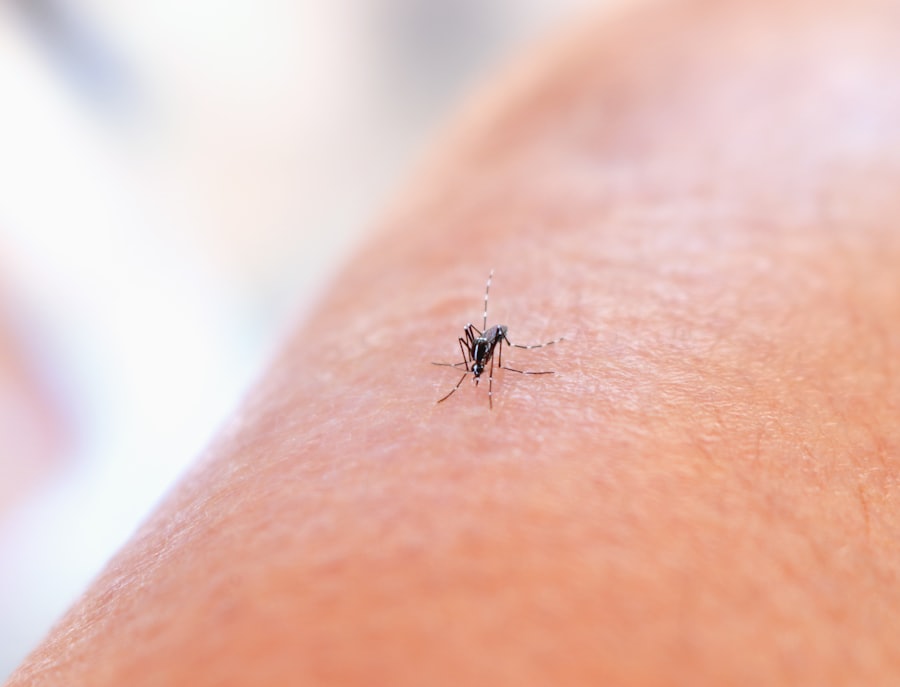
For decades, dengue was something travelers brought back from the tropics. Increasingly, it is being transmitted locally in temperate regions — including southern France, Italy, Spain, and Croatia — where the tiger mosquito Aedes albopictus is now established.
What changed
- Vector range. Aedes albopictus has spread across much of southern and central Europe, establishing the conditions for local transmission once the virus is introduced by a viremic traveler.
- Warmer, longer seasons. Higher temperatures shorten the virus's extrinsic incubation period in the mosquito and lengthen the transmission window.
- More introductions. Record global dengue activity — 2024 was the largest year on record — means more viremic travelers seeding local outbreaks.
The numbers
Europe has moved from a handful of autochthonous cases a decade ago to hundreds in recent peak years, clustered in late summer and early autumn. These remain small, localized clusters — not endemic transmission — but the trend line is clear and consistent.
Implications for travelers
- Dengue is now a summer consideration for parts of Europe, not only tropical itineraries.
- Risk is seasonal and focal: late summer, in specific affected areas, after wet weather.
- The practical advice is unchanged but newly relevant closer to home: daytime bite prevention in affected regions during the warm months.
Bottom line: "Dengue is tropical" is now an outdated mental model. Trip-planning should weigh local transmission risk by season, not just by latitude.